Happy Hours That Actually Work for PMMs
Happy Hours That Actually Work for PMMs
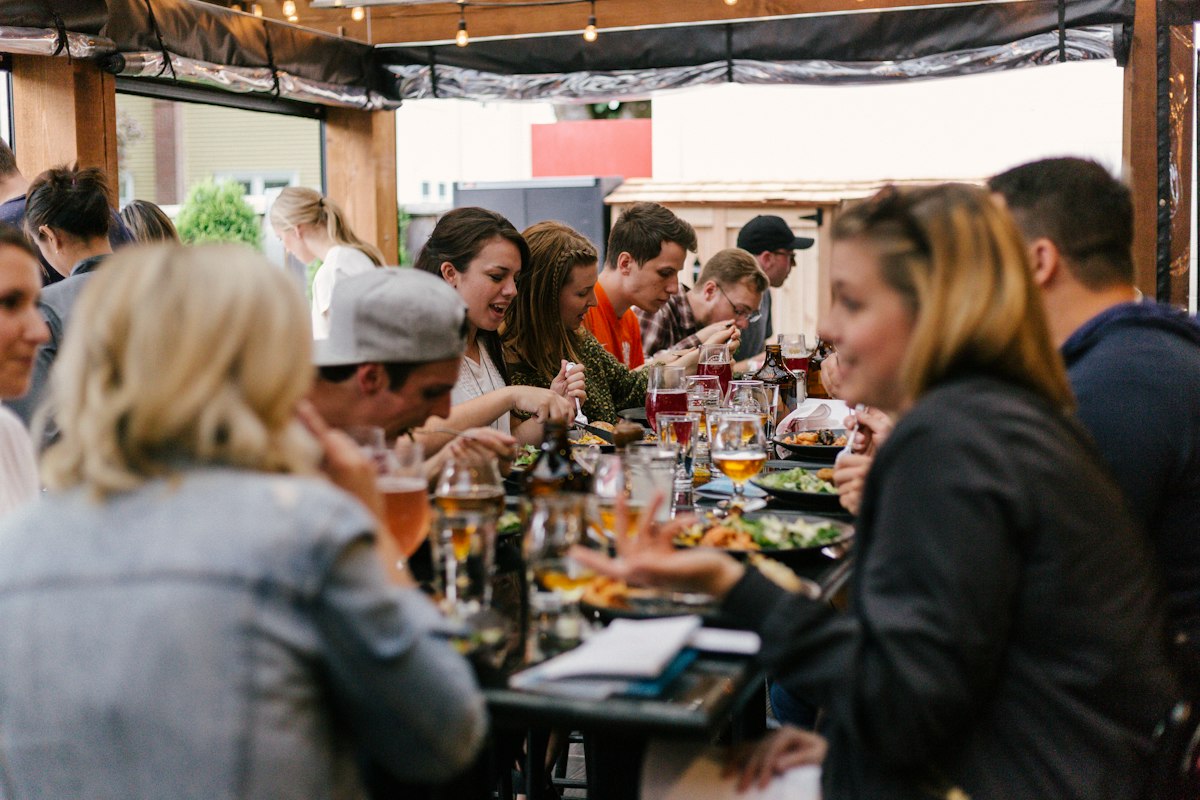
Most B2B happy hours fail because they are either too loose to create connection or too performative to feel human.
The format works when it lowers pressure for the guest and keeps just enough structure for the host. That is why I like it as a PMM and community format. It creates trust without pretending everyone came for "networking."
Why do happy hours work better than formal networking events?
Happy hours are one of the most accessible B2B event formats: low effort, low pressure, high optionality for attendees. This piece gives a repeatable formula for hosting casual happy hours that build real connections instead of stiff "networking" events.
Goal: A practical, minimal system for PMMs and marketing leads to run happy hours that people actually enjoy and that support pipeline and community goals.
Format advantages:
- -->Low commitment (drop-in, leave when you want)
- -->Familiar setting (bar/casual venue)
- -->Conversation over slides
- -->Easier to say yes for prospects and customers
- -->Good for filling the gap between webinars and big conferences
Why they work: They feel human. They're easy to host. They scale relationship-building without burning budget or team.
Example: if I want to gather operators before or after a larger conference week, I would rather host a calm two-hour happy hour than a heavily programmed panel. The bar for attendance is lower, and the conversations are usually better.
That tradeoff matters more than people think. The format works because it lets the room breathe. You are not trying to force intimacy. You are creating the conditions for it.
How should you choose venue, timing, and format?
Criteria:
- -->Good drinks and optional food
- -->Right size (not too loud or too empty)
- -->Easy to find; accessible
- -->Fits your audience (professional but not stuffy)
- -->Cost that fits your event budget
Types: Rooftop bars, breweries, wine bars, casual restaurants. Include non-alcoholic options.
Timing: After work (e.g., 5–7 PM or 6–8 PM). Weekday often beats Friday for "serious" B2B crowds.
Format:
- -->Open arrival (no formal kickoff required)
- -->Optional short welcome and 1–2 housekeeping items
- -->Rest is mingling; you and team facilitate intros where it's natural
- -->Clear end time so people can plan
Duration: 2–3 hours. Most value in first 90 minutes.
If the venue is too loud, too big, or too hard to reach, people will spend the event fighting the logistics instead of talking. The best venue is not the fanciest one. It is the one that makes conversation easy.
What does light-touch facilitation actually look like?
- -->Welcome: Brief. Who you are, why everyone's here, where the bar/bathrooms are.
- -->Intros: Optional (e.g., "say your name and one word on what you're working on"). Don't force.
- -->Your job: Introduce people who should meet, break up clumps if needed, make introverts comfortable.
- -->No: Long speeches, pitches, or mandatory activities.
This is the part most hosts overdo. A happy hour should feel held, not controlled. You are there to unblock conversations, not to program every minute.
How do you make the room easier for introverts too?
- -->No forced participation or round-robin.
- -->Small groups and side conversations are fine.
- -->You and co-hosts float and make intros.
- -->Easy exit ("I have to run" is always acceptable).
That design choice also protects the overall tone. When guests feel they can move freely, the event reads as generous instead of transactional.
What follow-up is enough without overengineering it?
- -->Same or next day: Short thank-you email. Optional: 1–2 bullets of what you're doing next (e.g., next event, content).
- -->Relationship: Note who met whom; make intros over email if useful.
- -->Next event: Invite to the next happy hour or a deeper-format event (dinner, workshop).
Tools: Email, CRM, or simple spreadsheet. Keep it lightweight.
The follow-up is less about squeezing the event for leads and more about respecting the conversation that already happened. A quick note or useful introduction is usually enough.
What is the minimum planning system that still works?
~1 week before: Lock venue, send invite (calendar + details), track RSVPs, send one reminder.
Day-of: Arrive early, quick check with venue, welcome people, light facilitation.
After: Thank-you email, 2–3 intros if relevant, log learnings for next time.
Rough time per event: 1–2 hours planning, 2–3 hours hosting, ~30 min follow-up.
What should you do next if you want to run one?
Use this as your default template for low-friction B2B happy hours. For a one-pager checklist (venue, invite, day-of, follow-up), [subscribe / join PMM Mindset].
Related: Community vs Sponsored: How to Approach Dinner Events